
Customer Spotlight Vol 3

Over the past 6 months of refining the WLV-01, I’ve had the opportunity to meet some genuinely talented photographers that also love to build and modify their creative tools. Once of those photographers I’d like to introduce you to is Max Wendt. Based out of Madison, Wisconsin, he is a software developer with 30 years experience and a creative that enjoys making photographs and music in his spare time. He’s been doing photography for 25 years and started out doing his own black and white development and prints at home. I really relate to Max in this aspect because we have all these interests in common!
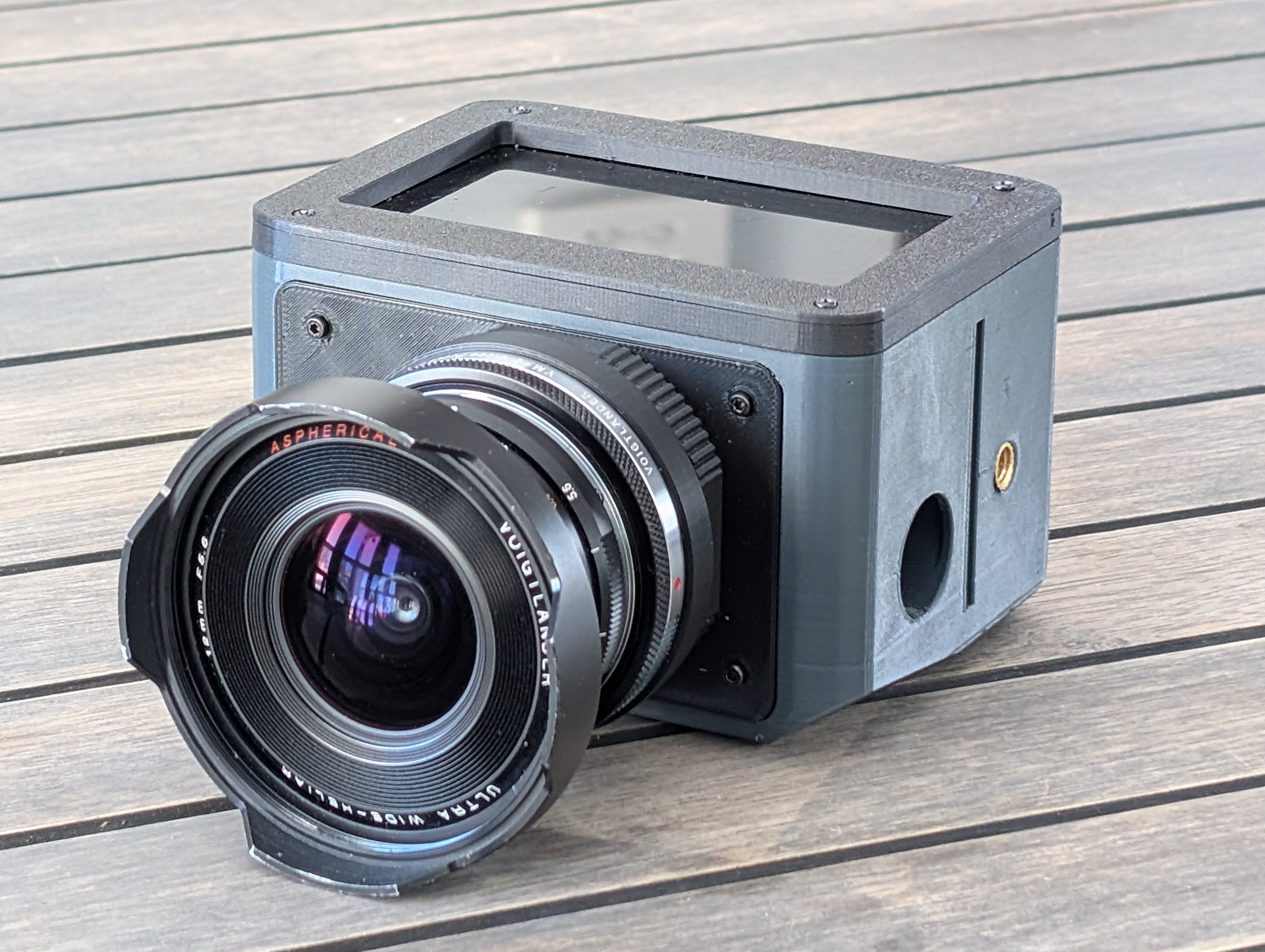
I met Max a few months ago when he joined one of the first online workshops. From there he went on to purchase one of my DIY sensor kits and 3d printed his own version of the body. We’ve been going back and forth ever since sharing different modifications and features to add to the camera. He was one of the first customers to take this build to the next level and modify the lens mount so that he could leverage Leica M mount lenses. This is also an approach I’ve adopted to my main build thanks to his inspiration! Here’s a photo of his build:
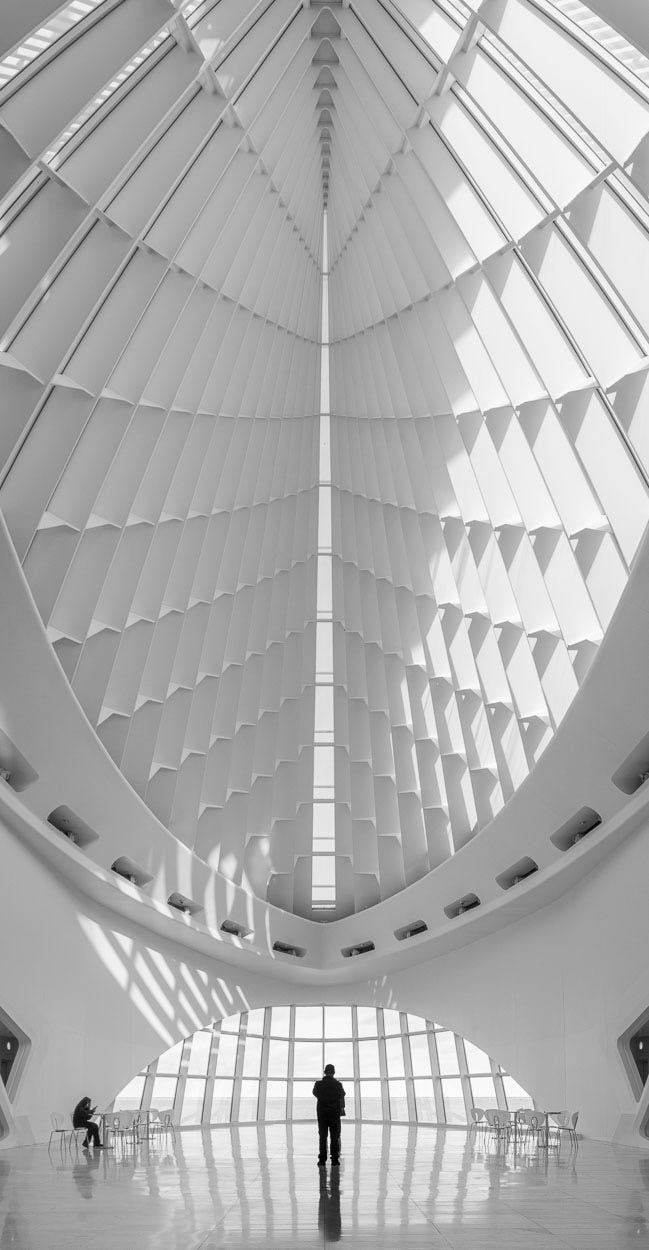
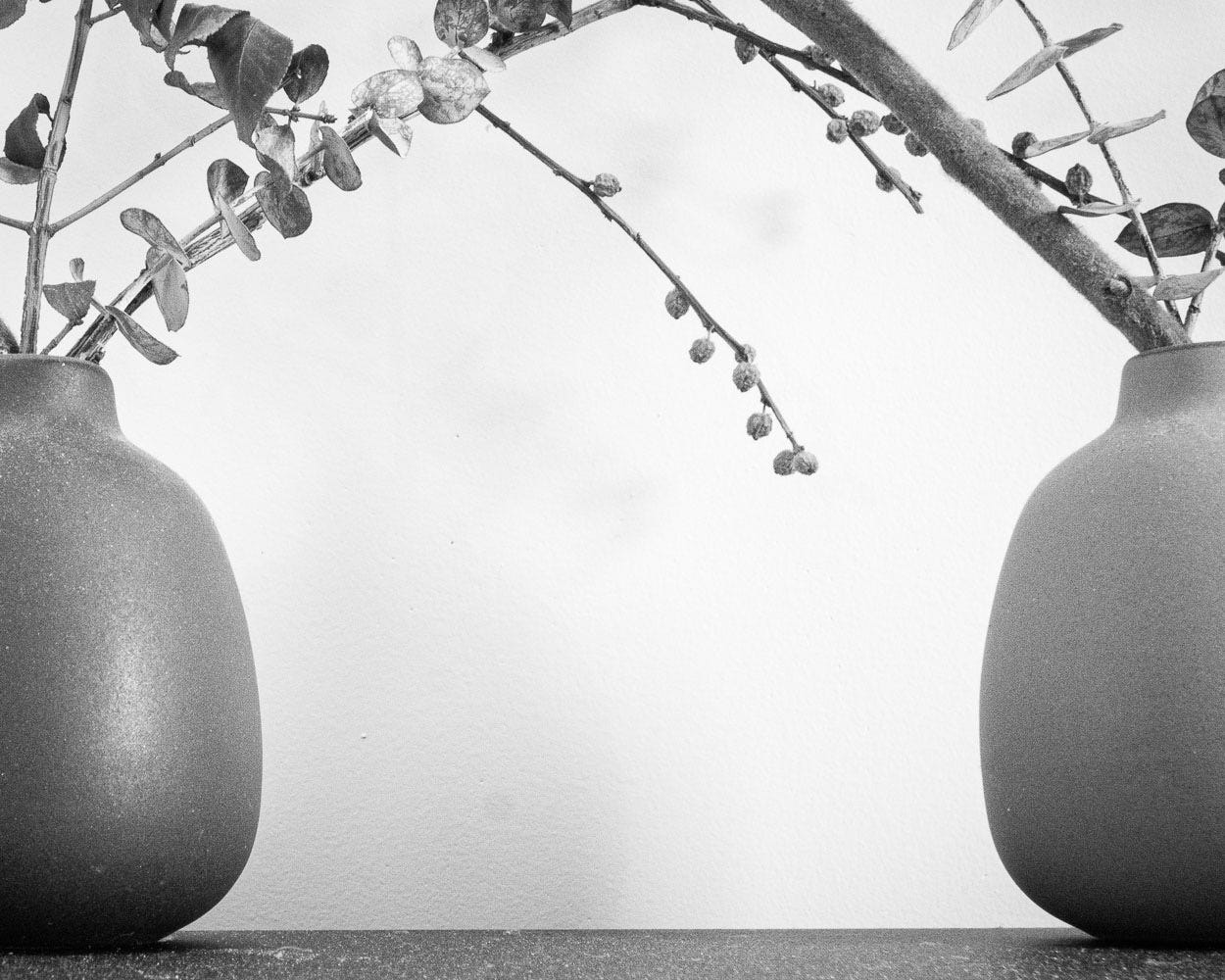
I’ve been wanting to have him as a feature for a while and just a few days ago he sent me photos from the camera that simply blew me away. Here’s one for reference:
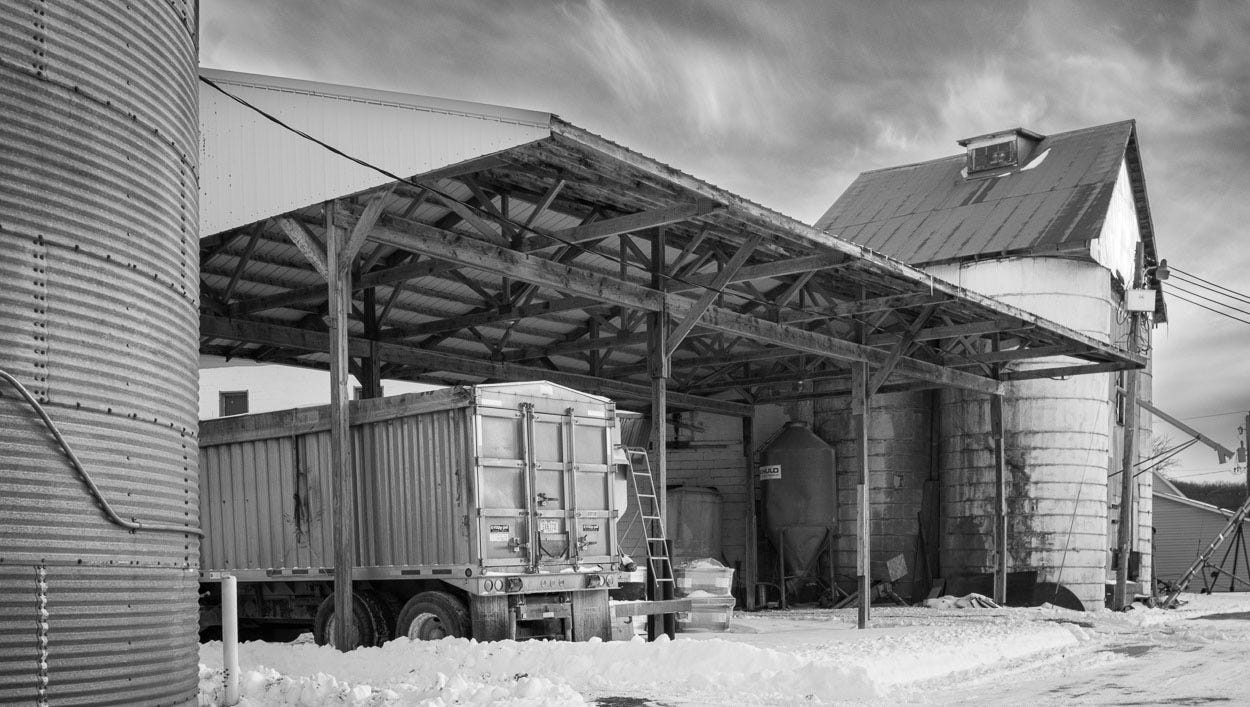
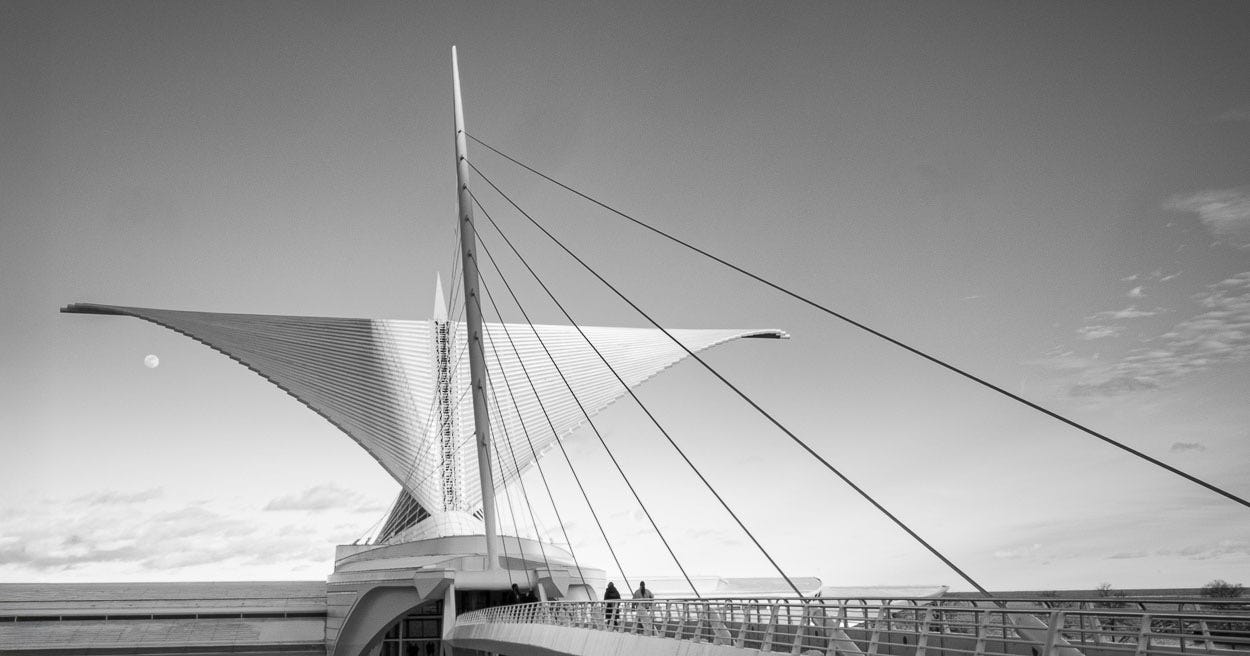
In order to get know Max a bit better, I’ve asked him a series of questions and have his responses below! All photos featured throughout were taken by Max on his WLV-01.
Background
What originally got you into photography? My wife and I took a trip to Zion National Park in Utah. I knew nothing about photography, and didn’t even own a camera. We used my wife’s point and shoot, and when we got the prints back they didn’t look anything like the posters we saw! I decided that I needed to learn how to make photos like that.
What subjects or themes do you most enjoy photographing? I started out with landscapes. When we started having kids, l got into making photos of them. I took a lot of photos of them, but having a baby ate into my developing time, so after piling up rolls and rolls of undeveloped B&W film, I decided to switch to digital. It had become more mainstream by this time. As they got older, I started making photos of other people, starting with my music friends. That led to me doing live performance coverage, headshots, and portraits. I had a small photography business as a side hustle for several years.
Shooting Style
How would you describe your photographic style? I enjoy being open to experimentation in general, and that carries over to my photography. I like making long exposure images, often with intentional camera movement. I also like making traditional photos, and enjoy setting up lighting for dramatic portraits.
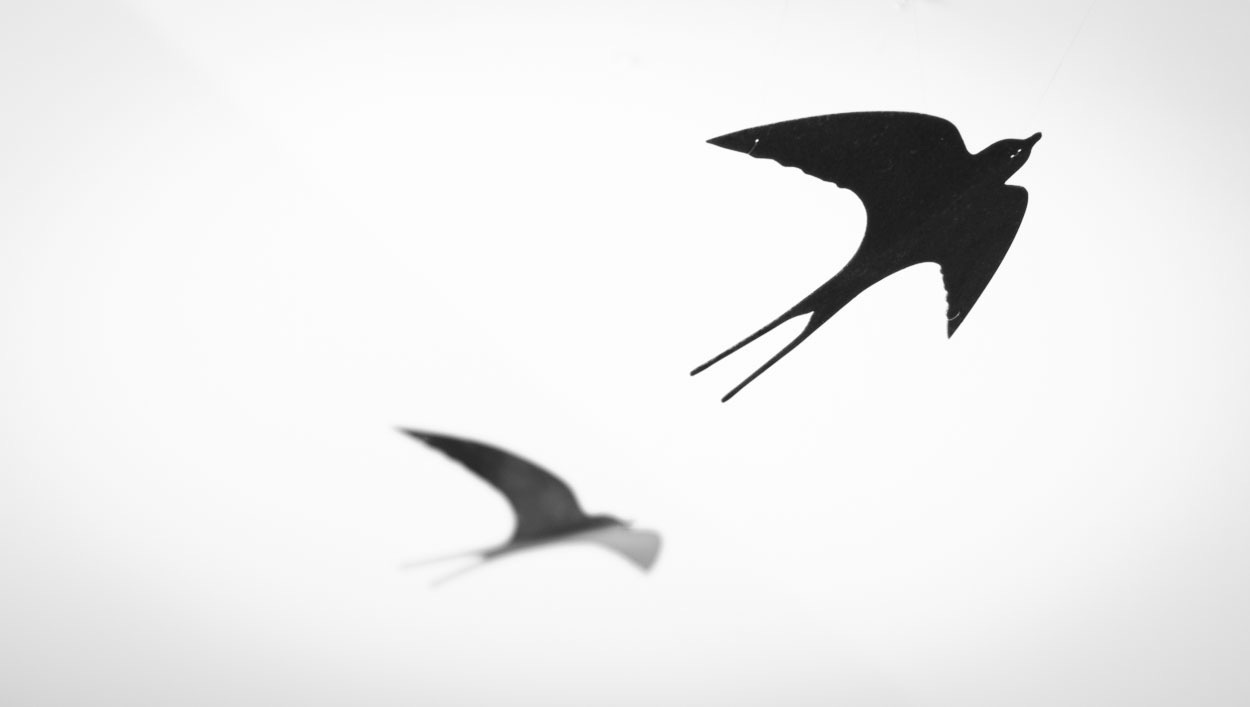
What draws you to monochrome photography? I have always been drawn to the look of monochrome photography; the play between deep shadows, delicate highlights, and subtle gradations just appeals to my eye. I love color too, but working without requires learning another way of seeing. Many of my favorite photographers worked exclusively in black and white film, and the look became a part of my visual DNA.
Discovering the Camera
How did you discover the WLV-01 camera? I first saw it mentioned in a blog post, I think the Phoblographer?
What made you interested in trying it? I had been curious about monochrome digital cameras, and was considering having one of my old cameras converted. The WLV-01 provides a lower barrier to entry. I also really enjoy 3D printing and have made a few other printed cameras. I liked the idea that I could edit the STL files and really make the camera my own.
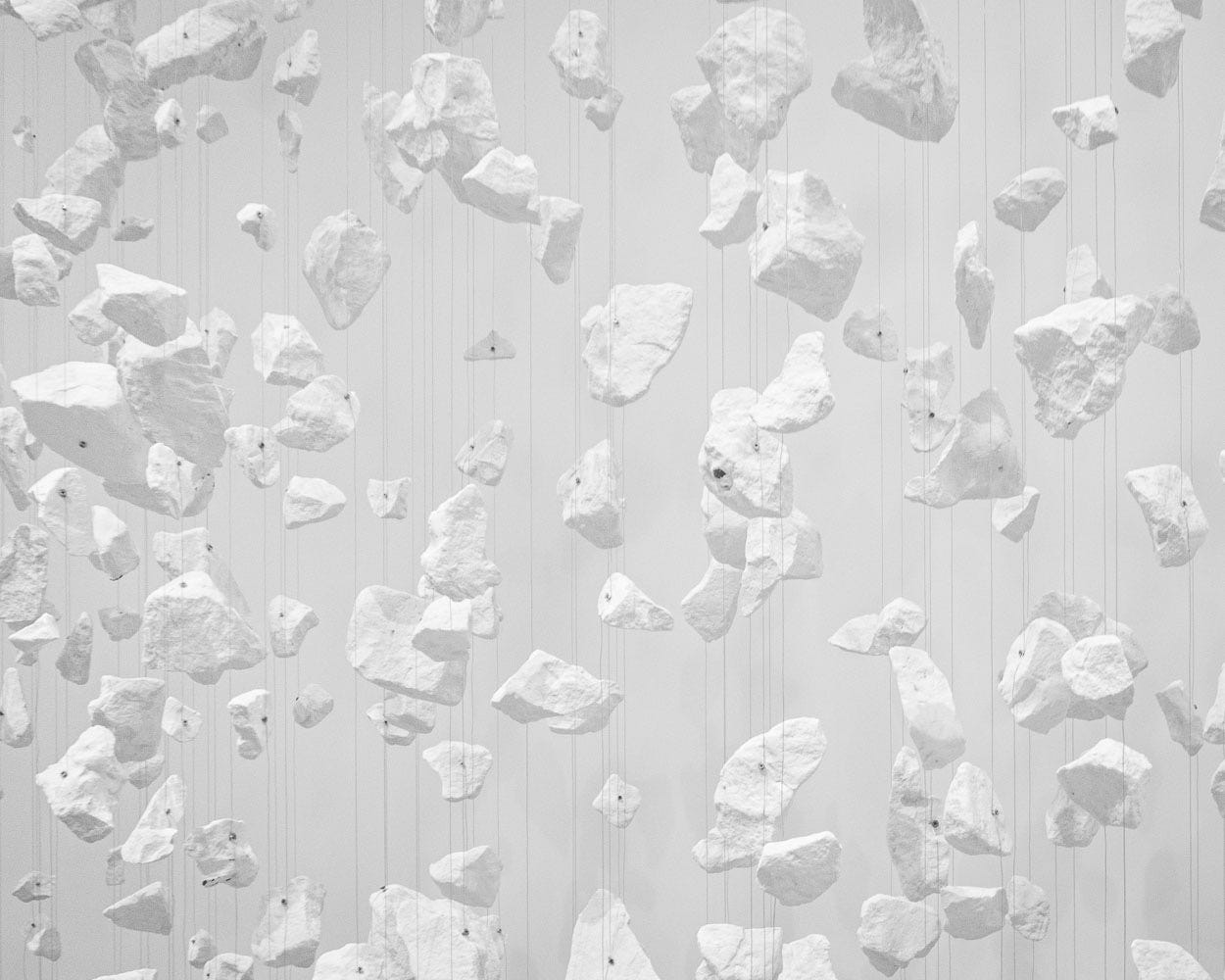
What was your first impression when you started shooting with it? The very first impression was excitement that my DIY camera actually worked! Then I was instantly excited by the look of the images. This is a true monochromatic camera, and the look is different from just turning on the B&W mode on my “normal” camera.
Shooting Experience
What do you enjoy most about shooting with the camera? The monochrome look. I also enjoy the very manual experience of it. I love using manual focus lenses, and have several. I edited the camera to have a Sony E mount so I could use my existing lenses.
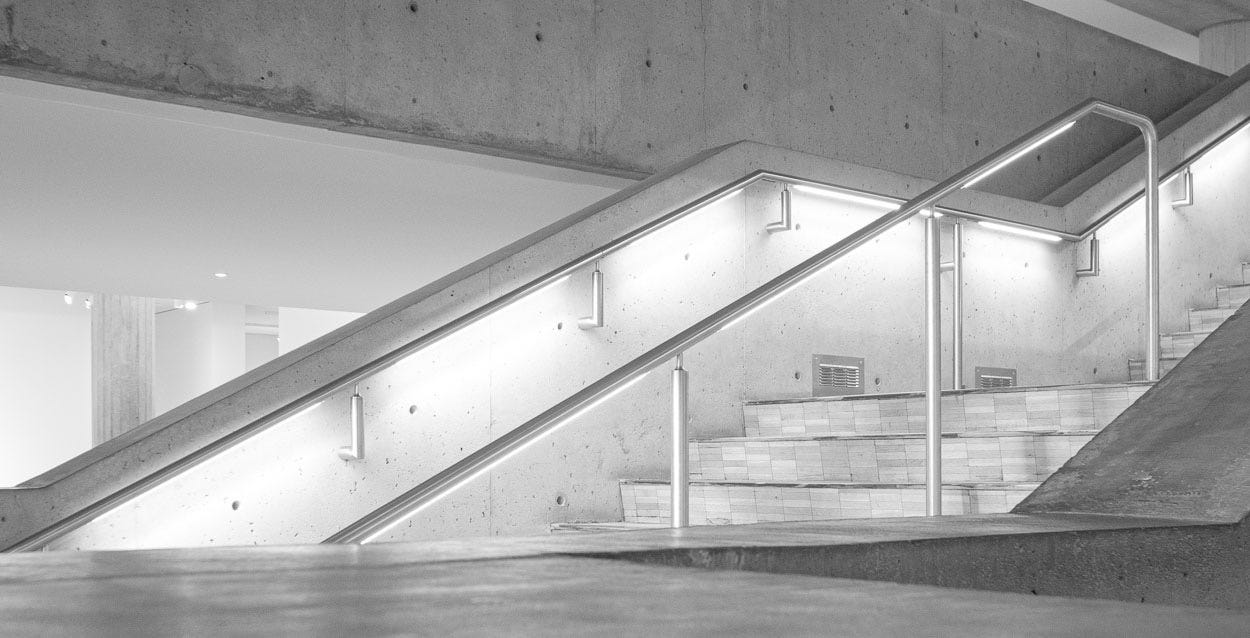
How does the shooting experience compare to other cameras you’ve used? It’s like the best of both worlds: the immediacy of digital with the look of film. The WLV-01 won’t replace my Sony, but I also have not used my Sony even once since I finished building my WLV-01.
Technical Setup
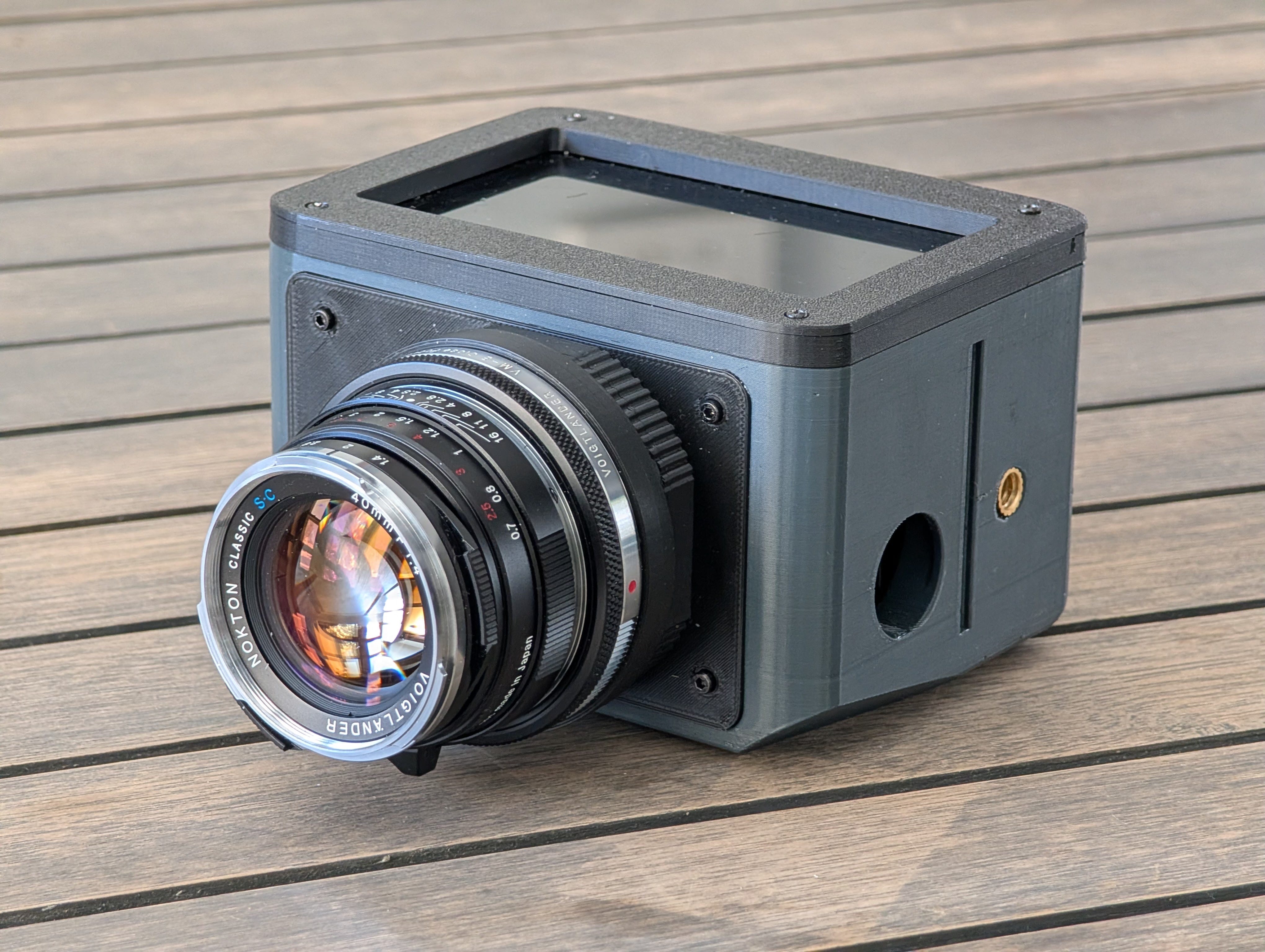
What lens were you using for these images? Did you use any other gear with the camera? These images were all taken with a Voigtlander Ultra Wide-Heliar 12mm f/5.6 or a Voigtlander Nokton Classic 40mm f/1.4. I love the Voigtlander M mount lenses, and own several of them. I do not own a Leica, though! I use them all with my Sony via an M-to-E mount adapter. I also have a 28mm Super Takumar M42 mount, which also adapts to E mount. Another edit I made to my camera is to take an L-bracket so I can use it on a tripod. I edited the camera software to handle shutter speeds down to one second so I can do longer exposures when mounted on a tripod.
The Images
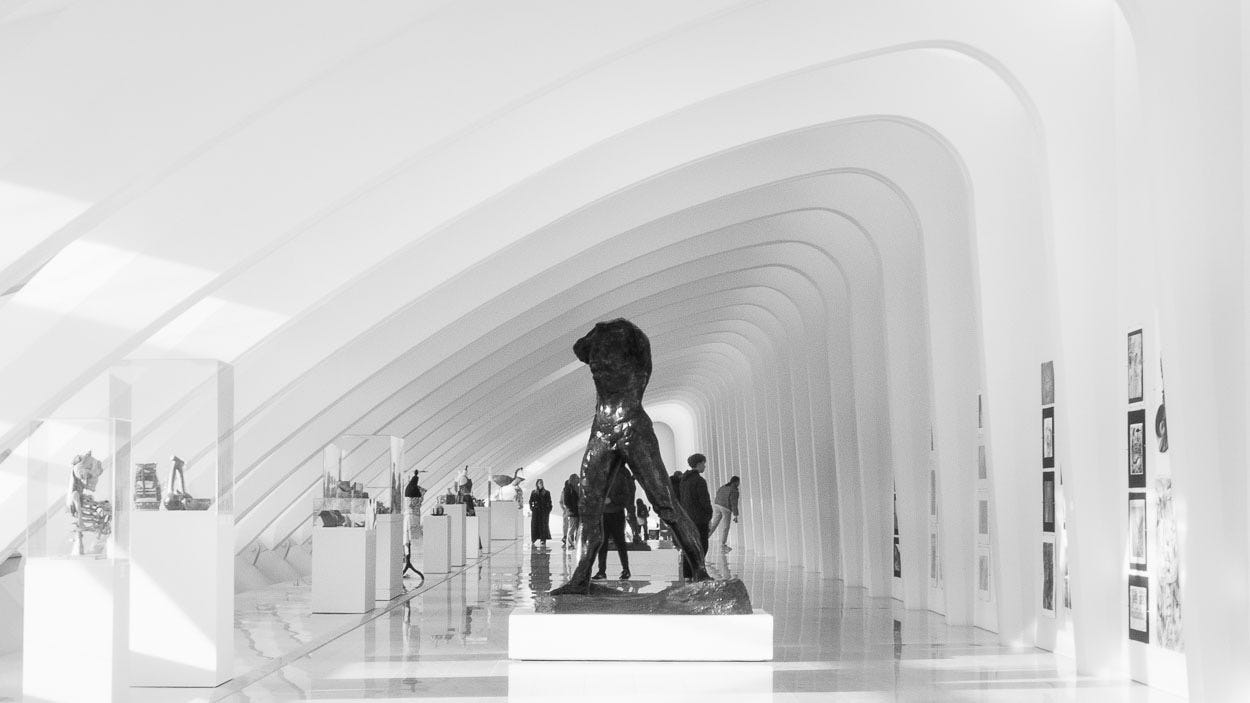
Can you tell us about one of the images in the gallery? Which image from this set is your favorite and why? I’ll answer both of these questions with the same image. It’s a photo of the interior of Windhover Hall in the Milwaukee Art Museum. I like the photo because the WLV-01 really captured the airy feeling of the late winter afternoon light in that space. I also like the photo because I was able to capture an extremely wide field of view despite the small sensor’s extreme crop factor: I (well, Camera Raw) merged six images to make this full view of the hall’s 90-foot ceiling. I probably could have gotten away with four images, but I did it handheld and I wanted to have plenty of overlap between the images. I was very happy that they merged easily!
Camera Feedback
What surprised you most about the camera? The camera software. It’s really slick and easy to use. I would never have expected that python running on a Raspberry Pi could produce a camera interface as full-featured and intuitive as this. It’s really impressive!
Is there a feature you particularly enjoy using? I love the focus peaking, and how it’s improved with the software updates!
If you could add one feature to the camera, what would it be? My first hope was DNG recording, and that came along pretty early. Then it was going to be gridlines; I wished for them when I was making the pano images, and now that’s here too!
Advice for Other Photographers
Do you have any tips for getting strong monochrome images? Learn to “see” in B&W - it takes a bit of work to learn how colors will translate to mono. Experiment with color filters to shape the contrast of the scene at capture time. Doing it then will make your post processing easier, especially if you’re used to being able to adjust the colors under the mono conversion to change the look - there are no colors to adjust here!
Miscellaneous
One camera you’d love to own? I tend to want lenses more than cameras, but I wouldn’t be too sad if a Sony A9 III with its global shutter found its way to me. I would love an old school wooden field camera but mainly because I always wanted one back when I was working with a DIY 8x10 that was more than a bit janky. I’m also thinking about 3D printing a panoramic film camera that takes 120 film, but then again, the WLV-01 plus stitching would get me the same result with a lot less hassle!
I’d like to thank Max for sharing his experiences and for being an awesome customer to collaborate with! To check out more of his work, Max has a blog below:
https://www.max-wendt.com/blog/2026/03/03/some-images/
Cheers,
Malcolm
Great article and amazing pictures! Continuously impressed by the progress of this camera.